
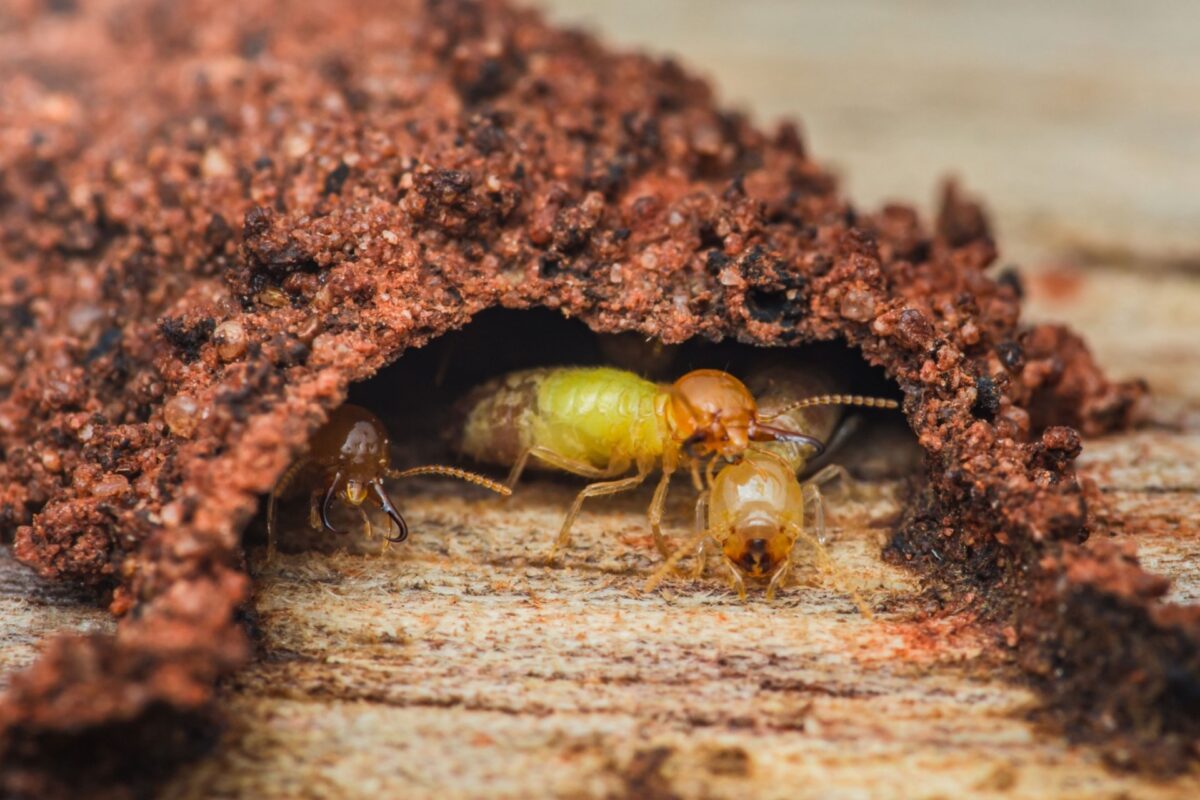
Termites might be small, but the financial impact they can have on a home is anything but. Every year, termites are responsible for billions of dollars in property damage across the United States. In a termite hotspot like Florida, especially around cities like Orlando, the cost of termite damage can be especially high—and what’s worse, most homeowner’s insurance policies don’t cover it.
The Real Cost of Termite Damage
It’s not just about a few chewed-up boards. Termite damage can affect the structural integrity of a home, weakening critical elements like support beams, subfloors, roof joists, and wall framing. Once they’ve settled in, termites can quietly eat away at the internal structure of a home for years before the damage becomes visible—and by then, the cost of repairs can be significant.
Minor infestations caught early might cost a few hundred to a couple thousand dollars to address and repair. But severe infestations, especially those that have gone undetected for a long period, can result in repair bills reaching $10,000 or more. In rare but extreme cases, entire sections of a home—walls, floors, or roofing—might need to be torn out and rebuilt.
Why Termite Damage Is So Costly
There are a few reasons termite damage can be so expensive to fix:
1. They Work in Secret
Termites often feed in hidden areas: inside walls, beneath floors, or in crawl spaces. Homeowners typically don’t notice anything is wrong until the infestation has already caused significant harm.
2. They Eat 24/7
Termites never sleep. Once a colony is established, they feed constantly—around the clock. A mature colony can number in the hundreds of thousands or even millions. That kind of nonstop activity adds up fast.
3. They Target Structural Wood
Termites aren’t just going after furniture or trim—they go straight for the heart of a home: beams, joists, studs, and subflooring. Replacing or repairing those elements involves construction work, which drives up labor and material costs.
4. The Infestation Has to Be Eliminated First
Before repairs can begin, the termite infestation has to be fully treated. That might involve localized spot treatments, full-home fumigation, or installation of baiting systems—each of which comes with its own costs.
Damage Goes Beyond Wood
While wood is their primary target, termites can also damage:
- Drywall – especially the paper lining on the back
- Insulation – reducing energy efficiency
- Flooring – including laminate and vinyl if moisture seeps in
- Doors and windows – causing them to warp or stick
Termite activity can even impact resale value. A home with a history of termite damage (especially if it’s recent or not well-documented) may face more scrutiny during inspections and appraisals.
Why Insurance Doesn’t Usually Help
Here’s the tough news: most standard homeowners insurance policies consider termite damage a preventable issue, not a sudden or accidental event. That means the cost of termite damage, no matter how extensive, is typically not covered.
This puts the responsibility squarely on homeowners to stay ahead of potential problems with proactive inspections and prevention.
Florida: A High-Risk Area for Termites
The warm, humid conditions in Central Florida create the perfect year-round environment for termites. Subterranean termites are especially active here, building massive colonies underground and foraging through homes in search of cellulose-based materials. Drywood termites, too, are a threat—often sneaking into homes via infested wood or furniture and setting up shop without ever touching the soil.
In regions like Orlando and the surrounding areas, skipping termite protection or inspections is a gamble. Even newer homes aren’t immune.
Investing in Prevention = Saving on Repairs
The best way to avoid expensive termite damage is to stop it before it starts. Here’s what that looks like:
- Annual termite inspections by licensed professionals
- Installing baiting or barrier systems, especially for homes with a history of termite issues
- Keeping moisture under control around the foundation
- Avoiding direct wood-to-soil contact in landscaping or construction
- Promptly addressing leaks or water damage, which can attract termites
Some pest control companies also offer termite bonds or warranties, which can include both treatment and repair coverage—providing even more financial protection.
Is the Risk Worth Ignoring?
When homeowners ask whether termites cause expensive damage, the answer is clear: absolutely. But what’s often overlooked is just how preventable most of that damage really is. Regular inspections and basic home maintenance can protect both the home and the wallet.
Whether you’ve never had a termite problem or dealt with them in the past, staying vigilant is the key to avoiding costly surprises down the road. In a place like Orlando, where termites are simply a fact of life, a little prevention now can mean big savings later. Reach out to Gato Lawn and Pest Control for help protecting your property from expensive termite damage.