
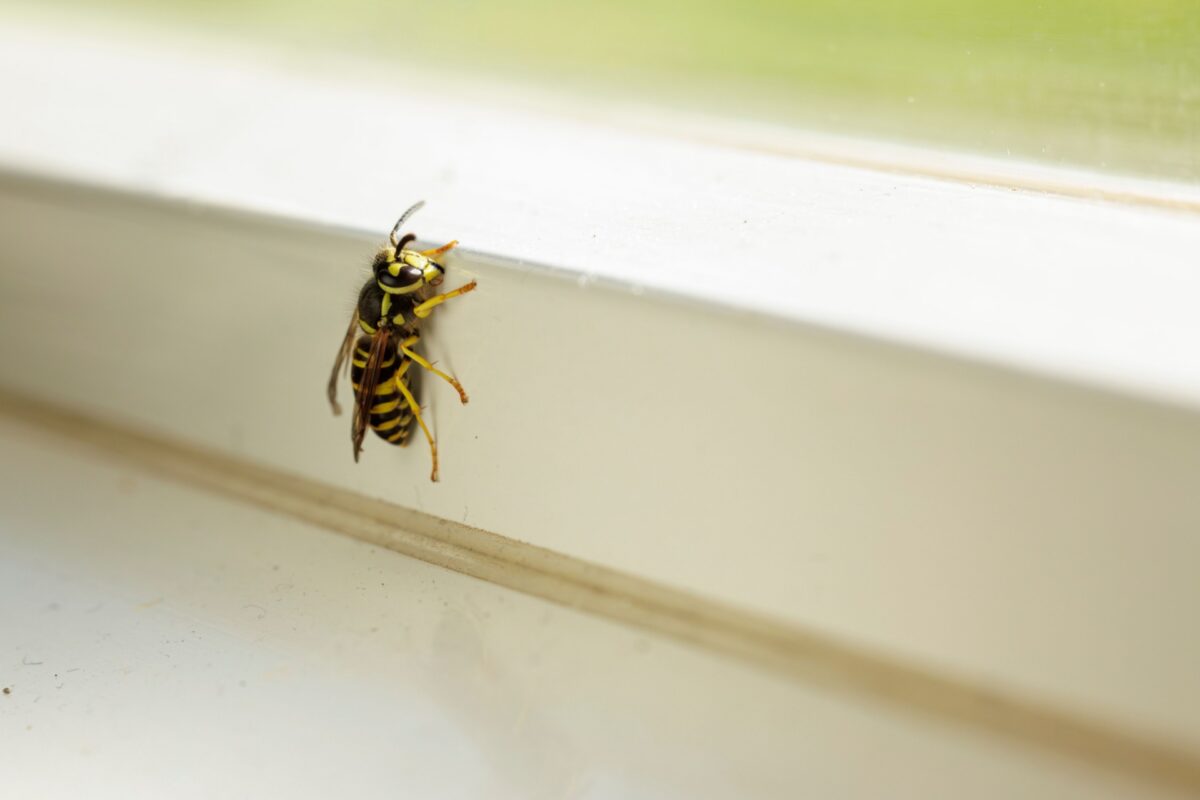
Finding a wasp nest on your Orlando property creates an immediate dilemma: should you attempt to remove it yourself, or call in professionals? While DIY wasp removal might seem like a cost-effective solution, the reality is that attempting to handle stinging insects without proper training, equipment, and expertise often leads to painful stings, incomplete nest removal, and recurring problems. Understanding the differences between DIY and professional stinging insect control helps you make the safest, most effective choice.
The Dangers of DIY Wasp Removal
The biggest risk of DIY wasp removal is the obvious one: getting stung, potentially multiple times. Unlike bees that die after stinging once, wasps can sting repeatedly. A disturbed nest can release dozens or even hundreds of aggressive wasps that attack anyone nearby. For people with allergies to wasp venom, even a single sting can trigger life-threatening anaphylactic reactions.
DIY attempts often underestimate how aggressive wasps become when their nest is threatened. Store-bought spray products require you to get close enough to the nest to apply them—usually within a few feet. This proximity puts you directly in the defensive zone that triggers mass attacks. Even “long-range” wasp sprays only reach 15-20 feet under ideal conditions, and wind can blow chemicals back in your face or reduce effectiveness.
The protective equipment most homeowners have available is inadequate. Regular clothing doesn’t prevent stings, and wasps can sting through lightweight fabrics. Homeowners who attempt nest removal without proper bee suits often end up running away while being chased and stung by angry wasps.
Why DIY Methods Fail
Store-bought wasp sprays work by killing individual wasps on contact, but they rarely eliminate entire colonies. Spraying a nest might kill wasps you can see, but many wasps are inside the nest or out foraging when you apply treatment. These survivors rebuild or establish new nests nearby.
Timing matters enormously in wasp control. Wasps are most active during daylight hours, which is when most homeowners notice nests and attempt removal. This is actually the worst time to treat nests because the majority of the colony is awake and active. Professional pest control technicians often treat nests in the early morning or evening when wasps are less active, improving success rates and reducing risks.
Many DIY attempts also fail to address the root problem. Knocking down a paper wasp nest with a broom or hose doesn’t eliminate the wasps—it just scatters them. The queen and workers often survive and rebuild in a nearby location. Without properly treating the nest and the area around it, you’re just temporarily relocating the problem.
Hidden Nests Create Extra Hazards
Some of the most dangerous wasp situations involve nests hidden in wall voids, attics, underground burrows, or dense vegetation. Homeowners sometimes discover these nests only after accidentally disturbing them while doing yard work or home maintenance. Once you’ve provoked a hidden nest, it’s too late to plan a safe removal strategy.
Professional pest control technicians have the training to identify likely nest locations and can use specialized equipment to locate hidden nests before disturbing them. They also know how to access and treat nests in difficult locations without causing structural damage or creating safety hazards.
The Professional Advantage
Professional stinging insect control starts with proper identification. Different wasp and hornet species require different control strategies, and professionals know the behavioral patterns, nest characteristics, and treatment methods for each species common in Central Florida.
Professionals use commercial-grade products that are more effective than retail sprays. These products often include residual insecticides that continue killing wasps that return to treated nests, ensuring complete colony elimination. Application equipment allows professionals to treat nests from safe distances, including using extension wands to reach nests 30 feet high or more.
Proper protective equipment is standard for professional technicians. Full bee suits with sealed seams, thick gloves, and facial protection allow technicians to work near active nests without risk of stings. This protection lets them thoroughly treat nests rather than spraying from a distance and hoping for the best.
Complete Colony Elimination
Professional treatments target entire colonies, not just visible nests. Technicians treat entrance holes, the nest structure itself, and surrounding areas where foraging wasps land. This comprehensive approach ensures that even wasps out foraging when the nest is treated get exposed to insecticides when they return.
For ground-nesting yellow jackets, professionals use specialized dust formulations that wasps carry deep into their underground nests, reaching areas that liquid sprays can’t penetrate. For aerial nests in trees or on structures, professionals can treat nests thoroughly without knocking them down, allowing the insecticide to work through the entire colony over several hours.
Prevention and Ongoing Protection
Professional stinging insect control includes preventative treatments that discourage wasps from building new nests on your property. Professionals identify and treat areas where wasps commonly build nests—eaves, soffits, deck railings, play equipment, and stored items.
Regular pest control service includes monitoring for new wasp activity and treating small nests before they become large, established colonies. This proactive approach keeps stinging insect populations under control throughout the year, which is especially important in Florida, where wasps remain active year-round.
When DIY Might Be Acceptable
The only situation where DIY wasp control might be reasonable is for very small, newly established nests located in easily accessible areas where you can spray from a safe distance without getting cornered. Even then, proper protective equipment and even application improve safety and effectiveness.
However, for established nests, nests in difficult locations, aggressive species like yellow jackets, or any situation involving people with sting allergies, professional treatment is the only safe option. The risks simply outweigh any cost savings from DIY attempts.
The Real Cost of DIY
While DIY wasp control appears cheaper initially, failed attempts often end up costing more. You might spend money on multiple cans of spray products that don’t work, then still need to hire professionals. If someone gets stung and requires medical attention, emergency room visits and EpiPen injections far exceed the cost of professional pest control.
There is also the opportunity cost of your time and the stress of dealing with dangerous stinging insects. Professional pest control eliminates both concerns, providing peace of mind that the problem is handled correctly and completely.
Protecting Your Family Safely
Stinging insect control isn’t worth risking your health and safety. Professional pest control technicians have the training, equipment, and experience to eliminate wasp and hornet nests safely while protecting your family from stings and recurring infestations.
Gato Lawn & Pest Control’s stinging insect specialists handle everything from small paper wasp nests to large aggressive yellow jacket colonies, using proven methods that eliminate entire colonies and prevent new nests from forming. Contact Gato Lawn & Pest Control for safe, effective stinging insect removal and protect your Orlando property from these dangerous pests.