
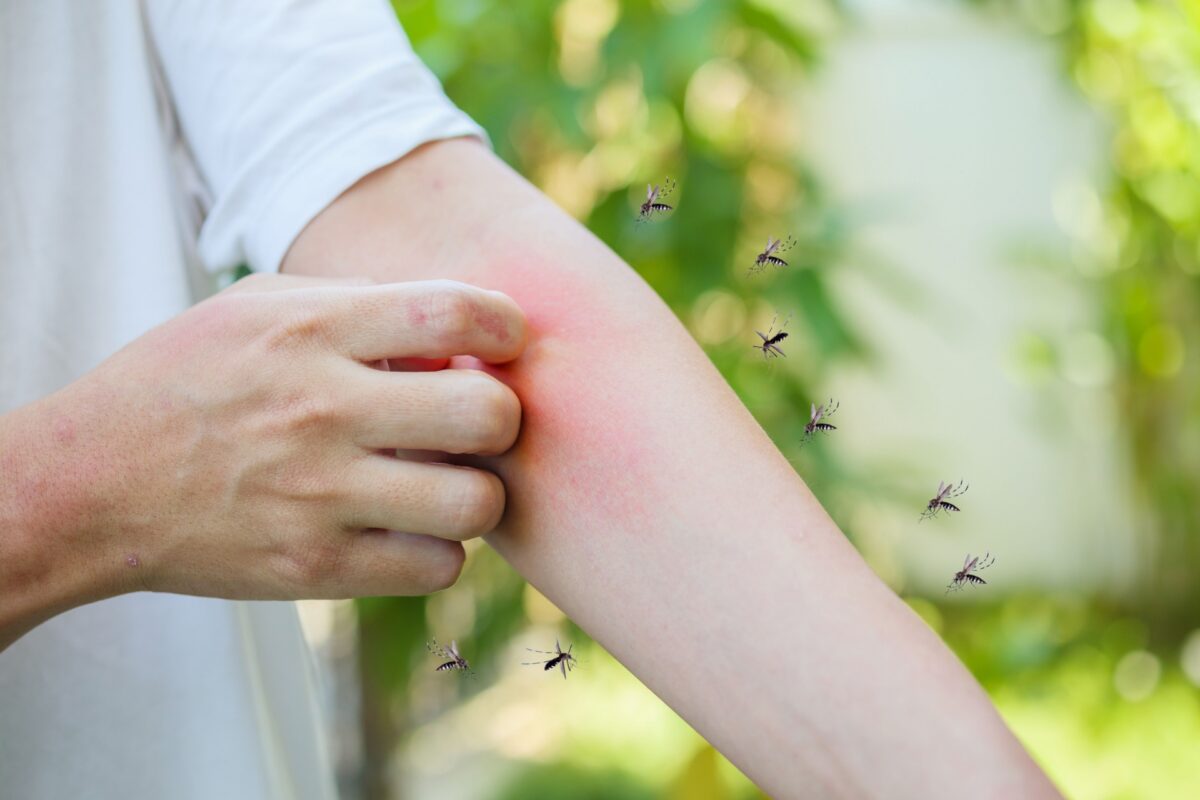
Professional mosquito control provides the most dramatic reduction in mosquito populations, but homeowners can take several proactive steps to make their properties less attractive to mosquitoes and reduce breeding sites. Combining professional treatments with smart mosquito management practices creates the most effective defense against these persistent pests and helps you reclaim your outdoor spaces for comfortable living.
Eliminate Standing Water Regularly
Female mosquitoes need standing water to lay eggs, and they’re not picky about water quality or container size. A bottle cap filled with water can produce dozens of mosquitoes. Walk your property weekly looking for any standing water and eliminate it immediately.
Empty containers that collect water—flower pots, buckets, children’s toys, wheelbarrows, and decorative items. Drill drainage holes in the bottom of containers that must remain outside. Turn items that could collect water upside down or store them under cover.
Change water in pet bowls, bird baths, and decorative fountains at least twice weekly. Mosquito eggs hatch within just a few days, so water that sits longer than a week can produce new mosquitoes. If you have ornamental ponds, add mosquito dunks that release bacteria toxic to mosquito larvae but safe for fish, pets, and wildlife.
Maintain Gutters and Drainage
Clogged gutters create perfect mosquito breeding sites. Leaves and debris trap water that sits for days or weeks, providing everything mosquitoes need to reproduce. Clean gutters at least twice yearly, and more frequently if you have trees that drop leaves year-round.
Downspouts should direct water away from your foundation and into areas where it drains or absorbs quickly. If you have low spots in your yard that hold water after rain, improve drainage by regrading, adding soil, or installing French drains.
Fix leaky outdoor faucets and irrigation system components. Even slow drips create persistent puddles that breed mosquitoes continuously. Walk your property after irrigation cycles to identify areas where overwatering creates standing water, then adjust sprinkler duration or placement.
Manage Vegetation Strategically
Mosquitoes rest in dense vegetation during the heat of the day, so reducing these resting sites makes your property less hospitable. Keep grass mowed regularly and trim back overgrown shrubs and ground covers. Prune tree branches to allow better air circulation and sunlight penetration, which makes the environment less attractive to mosquitoes.
Remove yard debris, leaf piles, and grass clippings promptly. These materials trap moisture and provide shaded resting spots for mosquitoes. Stack firewood away from the house and keep it covered and dry.
While you don’t need to eliminate all landscaping, thinning dense plantings and creating more open spaces with better air movement reduces the areas where mosquitoes can hide and rest comfortably.
Use Outdoor Fans
Mosquitoes are weak fliers that struggle in air currents. Installing ceiling fans on covered patios or using portable outdoor fans creates air movement that makes it difficult for mosquitoes to land on people. Fans also disperse the carbon dioxide and body heat that attracts mosquitoes to humans in the first place.
For outdoor gathering areas where you spend significant time, strategically placed fans provide immediate relief from mosquitoes while you work on longer-term control solutions. High-velocity fans work better than decorative models for mosquito deterrence.
Maintain Swimming Pools and Water Features
Properly maintained pools don’t breed mosquitoes because chlorine levels and filtration prevent larvae development. However, neglected pools, hot tubs, or spas quickly become mosquito breeding grounds. Keep water chemistry balanced and circulation systems running.
Decorative water features need movement to prevent mosquito breeding. Install fountains or bubblers that keep water circulating. For ponds and other features with still water, use mosquito dunks or add mosquito-eating fish such as goldfish or mosquitofish.
Cover rain barrels with tight-fitting screens to prevent mosquito access while still allowing water collection. Empty and dry wading pools when not in use rather than leaving them filled with stagnant water.
Screen Outdoor Living Areas
Installing screens on porches, patios, and outdoor living areas creates mosquito-free zones where you can enjoy outdoor comfort without bites. Make sure screens fit tightly without gaps and repair any tears or holes promptly. Magnetic screen doors on entries allow easy access while keeping mosquitoes out.
For open areas like pools or large patios where permanent screening isn’t practical, consider temporary mosquito netting or canopies that can be deployed for outdoor events.
Combining Efforts for Maximum Results
Individual mosquito control measures provide modest benefits, but combining multiple strategies creates substantial mosquito reduction. When you eliminate breeding sites, reduce resting habitat, and supplement with professional mosquito control treatments, you can achieve a significant reduction in mosquito populations around your property.
Gato Lawn & Pest Control enhances your mosquito management efforts with professional treatments that target adult mosquitoes and breeding sites, providing the comprehensive protection that makes outdoor living comfortable in Central Florida. Contact Gato Lawn & Pest Control to develop a complete mosquito control strategy for your Orlando property.