
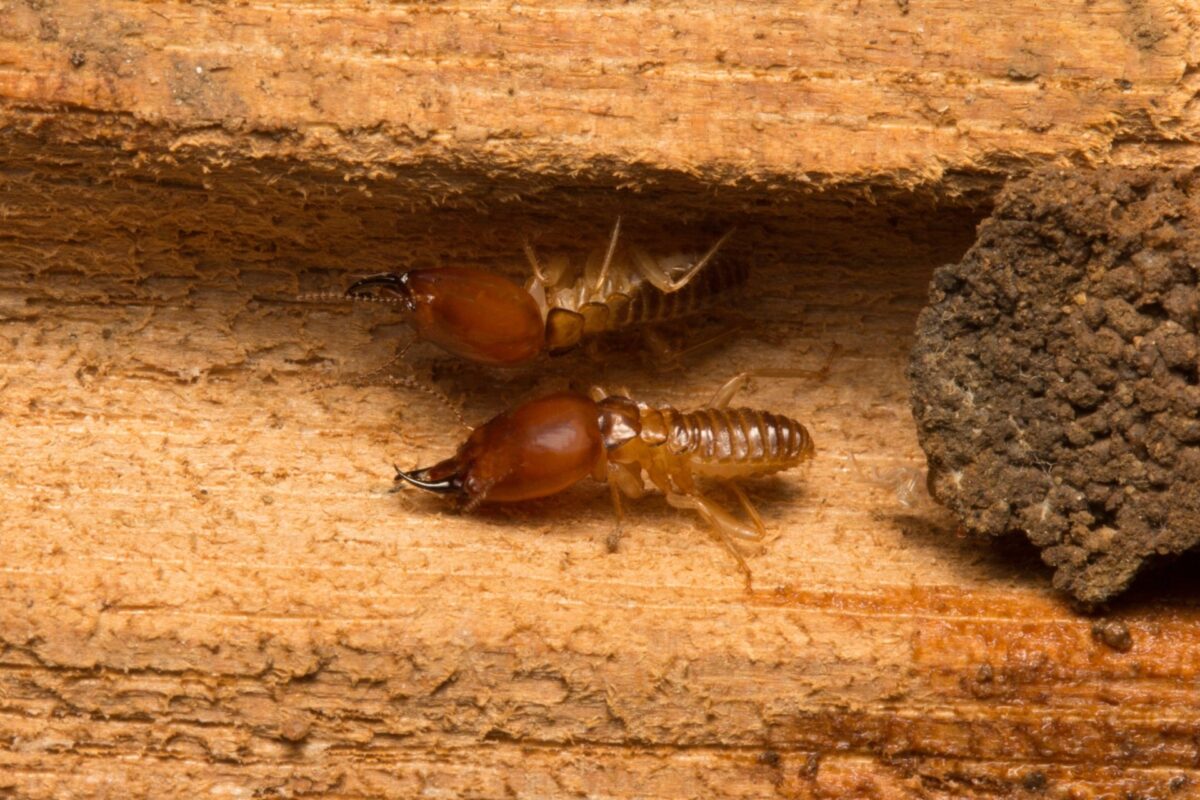
For many homeowners, especially in places like Florida where termites are a constant threat, routine termite inspections should be as normal as getting your HVAC serviced or checking the roof after a storm. While termites often go unnoticed until serious damage is done, regular inspections are the best line of defense.
The question is: how often is often enough?
Annual Termite Inspections: The Gold Standard
In most cases, once a year is the recommended schedule for a professional termite inspection. This frequency strikes a balance between staying ahead of potential infestations and being cost-effective for the average homeowner.
A yearly inspection allows professionals to spot early warning signs and potential vulnerabilities around the home. In areas with high termite activity—like most of Florida—it’s not just a recommendation; it’s a necessity.
More Frequent Inspections May Be Needed If…
Certain situations call for more than just a once-a-year check-up. Consider stepping up the frequency if:
- You’ve had termites before: Previous infestations can signal long-term vulnerabilities in the structure or property.
- You live in a high-risk area: Warm, humid climates (like Orlando and other parts of Central Florida) are prime termite territory. In these areas, inspections every 6–9 months may be wise.
- Your neighbors had a termite problem: Subterranean termites can travel easily from one property to the next, especially in densely built neighborhoods.
- You recently purchased the home: Not all past infestations are properly disclosed. A thorough inspection can catch issues missed during the buying process.
- You just did construction or renovations: New wood, disturbed soil, and open wall cavities can all attract termite attention.
What Happens During a Termite Inspection?
A termite inspection is thorough but non-invasive. A technician will look for:
- Mud tubes (used by subterranean termites to travel)
- Hollowed or damaged wood
- Termite droppings (frass)
- Swarmers or discarded wings
- Signs of moisture or leaks
- Vulnerabilities in foundation, crawl spaces, and attics
The goal is to catch signs of termites before structural damage becomes obvious.
What If Nothing’s Found?
That’s a win. A clean inspection report not only offers peace of mind but may also help maintain your home’s value—especially if you’re planning to sell in the future. Regular documentation of termite inspections shows that you’re proactive about maintenance, which many buyers appreciate.
Termite Prevention Between Inspections
Even if professionals are checking your home regularly, there are things you can do to reduce your termite risk:
- Keep firewood and lumber stored away from the house
- Trim bushes and trees to keep them from touching the home
- Fix any plumbing or roof leaks quickly
- Avoid excessive mulch or ground cover near the foundation
- Make sure crawl spaces are dry and well-ventilated
These practices, combined with professional inspections, create a powerful defense against termite invasion.
Is It Worth the Cost?
Termite inspections aren’t a luxury—they’re a must for homeowners in termite-prone areas. Whether your house is brand-new or a century old, these wood-hungry insects don’t discriminate. Annual inspections are the most reliable way to protect your property, your investment, and your peace of mind. Reach out to Gato Lawn and Pest Control to schedule a termite inspection in your home.