
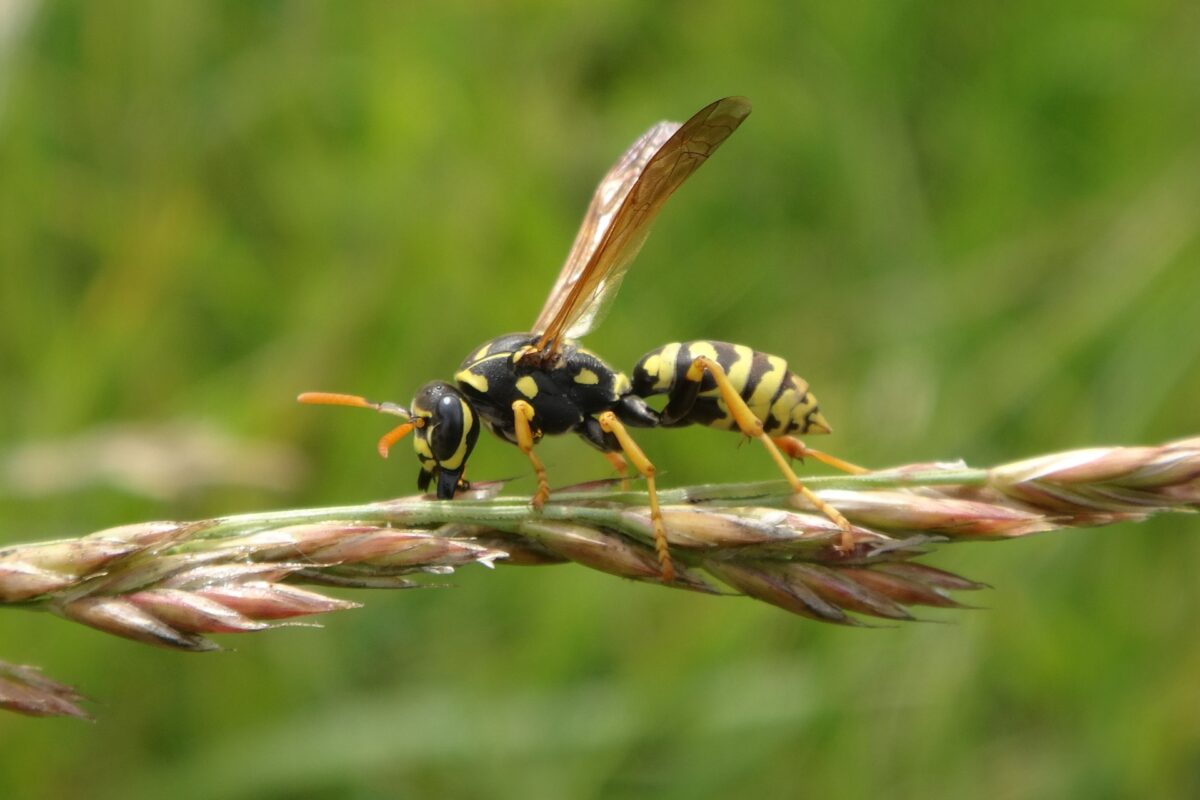
Central Florida’s warm climate and abundant flowering plants create ideal conditions for stinging insects year-round. Orlando homeowners encounter various species of wasps, hornets, bees, and other stinging pests that pose threats ranging from minor nuisances to serious health hazards. Understanding which stinging insects are most common in our area helps you identify what you’re dealing with and when professional intervention is necessary.
Paper Wasps: The Most Common Culprit
Paper wasps are probably the stinging insect Orlando residents encounter most frequently. These wasps build distinctive umbrella-shaped nests from paper-like material they create by chewing wood fibers mixed with saliva. You’ll find their nests under eaves, in attic vents, on porch ceilings, inside grills, and any other protected horizontal surface.
Paper wasps have slender bodies with long legs that dangle as they fly. Most species in Florida are reddish-brown or brownish-yellow with darker markings. They’re less aggressive than some other wasps and will generally leave you alone if you don’t disturb their nest. However, they will defend their nest aggressively if threatened, and unlike bees, wasps can sting multiple times.
Paper wasp nests start small in spring with just the queen, but grow throughout summer as she produces workers. By late summer, a single nest might house dozens of wasps. Multiple nests often appear on the same property since paper wasps are drawn to structures that provide good nesting sites.
Yellow Jackets: Aggressive Ground Nesters
Yellow jackets are the most aggressive wasps commonly found in Orlando. These compact, yellow-and-black insects build large nests in protected cavities—often underground in abandoned rodent burrows, but also in wall voids, attics, and dense vegetation. Their nests can contain thousands of workers by late summer.
What makes yellow jackets particularly problematic is their defensive aggression. They’ll attack in large numbers if their nest is disturbed, and they’re easily provoked. Lawn mowing, yard work, or even walking too close to a hidden nest can trigger mass attacks. Yellow jackets are also attracted to food and sugary drinks, making them unwelcome guests at outdoor gatherings.
Unlike paper wasps that slow down in cooler weather, yellow jackets remain active later into fall, and in Central Florida’s mild winters, some colonies survive year-round.
Carpenter Bees: The Wood-Boring Stingers
Carpenter bees are large, robust bees that resemble bumble bees but have shiny, hairless abdomens. Unlike social wasps and honey bees, carpenter bees are solitary. Females drill perfectly round half-inch holes into wood to create nesting tunnels where they lay eggs.
Male carpenter bees are territorial and will aggressively buzz around people near their nests, but they can’t sting. Females can sting but rarely do unless handled. The real problem with carpenter bees is the structural damage they cause. Over multiple years, their tunneling can weaken wooden structures like decks, eaves, and siding.
Cicada Killers: Large but Generally Harmless
Cicada killer wasps are among the largest wasps in Florida, with females reaching two inches long. Despite their intimidating size, they’re solitary wasps that are not aggressive toward humans. Females dig burrows in the ground where they provision their nests with paralyzed cicadas to feed their larvae.
Cicada killers become a concern mainly when they dig numerous burrows in lawns, creating unsightly mounds of excavated soil. Males may display territorial behavior by buzzing around, but they can’t sting. Females can sting but rarely do unless handled roughly.
Mud Daubers: The Solitary Nest Builders
Mud daubers are solitary wasps that build distinctive tubular mud nests on walls, under eaves, and in other protected locations. These wasps are not aggressive and rarely sting, even when their nests are destroyed. They’re actually beneficial because they hunt spiders to provision their nests.
The main issue with mud daubers is aesthetic—their mud nests are unsightly on homes and require regular removal to keep exterior surfaces looking clean.
When Stinging Insects Require Professional Control
While some stinging insects are manageable with basic precautions, several situations require professional intervention. Large nests near high-traffic areas pose serious risks, especially to people allergic to stings. Nests inside walls or attics are difficult and dangerous for homeowners to address. Aggressive species like yellow jackets and bald-faced hornets should always be handled by professionals who have proper equipment and expertise.
Attempting DIY stinging insect control often makes problems worse by provoking defensive attacks or scattering colonies that later regroup. Professional pest control technicians know how to eliminate stinging insects safely and completely.
Protecting Your Orlando Property
Understanding which stinging insects are present on your property helps you take appropriate action. Regular inspections for nest development, especially in spring when new nests are starting, allows for early intervention before colonies grow large and defensive.
Gato Lawn & Pest Control provides comprehensive stinging insect control for Orlando properties, safely removing nests and treating areas to prevent future infestations. Contact Gato Lawn & Pest Control today to schedule an inspection and protect your family from dangerous stinging insects.