
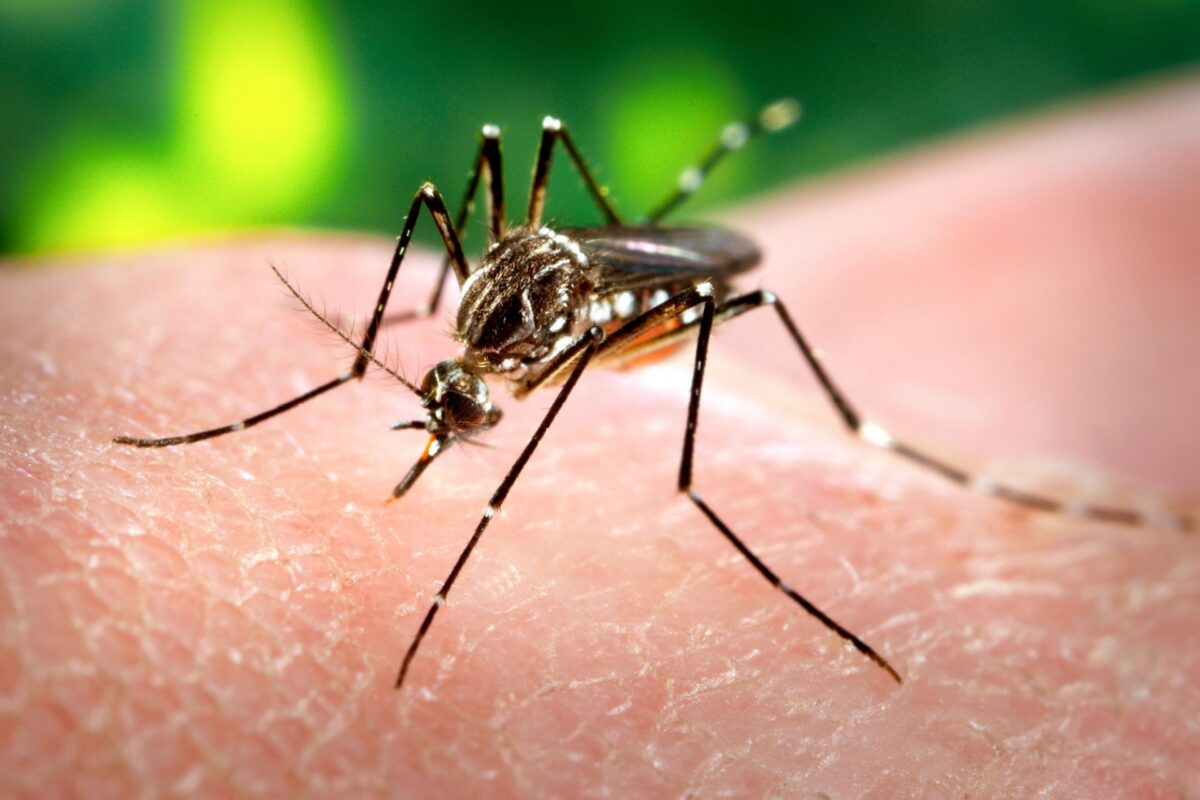
Orlando ranks among the worst cities in the United States for mosquito populations, and anyone who’s spent a summer evening outdoors in Central Florida knows why. The combination of year-round warmth, high humidity, frequent rainfall, and abundant standing water creates perfect conditions for mosquitoes to breed prolifically. Understanding why mosquito control is such a challenge in our area helps you take effective action to reclaim your outdoor spaces from these blood-sucking pests.
Florida’s Climate Is Mosquito Paradise
Mosquitoes thrive in warm, humid environments, and Orlando delivers both in abundance. Our average temperatures stay above 70 degrees for most of the year, which means mosquitoes remain active breeding and biting through all seasons. While mosquito activity peaks during hot summer months, we don’t get the winter freeze that kills off mosquito populations in northern states.
High humidity is essential for mosquito survival. These insects lose moisture quickly through their exoskeletons, so they need humid air to prevent dehydration. Central Florida’s average humidity often exceeds 70 percent, providing mosquitoes with ideal conditions for survival and reproduction.
Female mosquitoes need water to lay their eggs, and our region provides countless breeding sites. Summer afternoon thunderstorms drop rain almost daily from June through September, creating temporary puddles and pools where mosquitoes breed. Even small amounts of standing water—a bottle cap, a tire track, a clogged gutter—can produce hundreds of mosquitoes.
Abundant Standing Water Everywhere
Beyond rainfall, Orlando’s landscape features contribute to standing water problems. Retention ponds are built into nearly every neighborhood and commercial development for stormwater management. While these ponds serve important flood control purposes, they also provide excellent mosquito breeding habitat if not properly maintained.
Lakes, wetlands, marshes, and drainage ditches are natural features of Florida’s topography. These water bodies host huge mosquito populations that spread into surrounding residential areas. Properties near natural water features face constant mosquito pressure from these nearby breeding grounds.
Irrigation systems used to maintain Florida’s lush landscaping create additional water sources. Overwatering leaves puddles in low spots, and leaky irrigation components create persistent wet areas. Decorative water features, bird baths, and pet water bowls all attract egg-laying mosquitoes if not managed properly.
Dense Vegetation and Shaded Areas
Mosquitoes rest in shaded, humid areas during the heat of the day. Orlando’s lush vegetation—the same beautiful landscaping that makes our properties attractive—provides perfect mosquito resting habitat. Thick shrubs, ground covers, tall grass, and dense tree canopies all harbor mosquitoes waiting for their next opportunity to feed.
Properties with poor air circulation due to dense plantings keep humidity high and provide protected areas where mosquitoes congregate. This is why mosquito activity often seems worse in heavily landscaped yards compared to more open, sparse landscapes.
Year-Round Outdoor Living
Unlike residents in colder climates who spend much of the year indoors, Floridians use outdoor spaces constantly. Patios, pools, playgrounds, and porches see daily use throughout the year. This extended outdoor living means constant exposure to mosquitoes and more opportunities for bites.
Outdoor lighting attracts mosquitoes and other insects, concentrating them around entry doors and outdoor living areas. Evening gatherings—prime time for backyard relaxation—coincide with peak mosquito feeding activity for many species.
Disease Risks Make Control Essential
Beyond the annoyance of itchy bites, mosquitoes in Orlando carry serious disease risks. West Nile Virus appears in Florida every year, with some cases resulting in severe neurological illness. Eastern Equine Encephalitis, though rarer, has a high mortality rate when infections occur.
Zika virus, dengue fever, and chikungunya have all been transmitted locally in Florida in recent years. While outbreaks are typically contained quickly, the presence of mosquito species capable of transmitting these diseases means the risk is always present.
Heartworm disease, transmitted by mosquitoes to dogs and cats, is endemic in Florida. Pet owners who skip heartworm prevention put their animals at serious risk.
What You Can Do About It
Effective mosquito control requires a multi-pronged approach. Eliminate standing water by dumping containers, maintaining gutters, and fixing drainage problems. Trim vegetation to reduce resting sites and improve air circulation. Use fans on patios and porches to create air movement that makes it difficult for mosquitoes to land.
Personal protection—EPA-registered insect repellents, long sleeves during peak mosquito times, and screening on outdoor living areas—provides immediate protection but doesn’t reduce mosquito populations.
Professional mosquito control treats the areas where mosquitoes rest and breed, creating a protective barrier around your property that dramatically reduces mosquito populations. Regular treatments throughout mosquito season maintain this protection, allowing you to reclaim your outdoor spaces.
Taking Back Your Yard
You don’t have to accept mosquitoes as an unavoidable part of Orlando living. Professional mosquito control can significantly reduce populations, making outdoor activities comfortable again.
Gato Lawn & Pest Control provides comprehensive mosquito control services throughout Central Florida, with treatments designed specifically for Orlando’s unique mosquito challenges and climate conditions. Contact Gato Lawn & Pest Control today to schedule mosquito control service and start enjoying your yard again.