
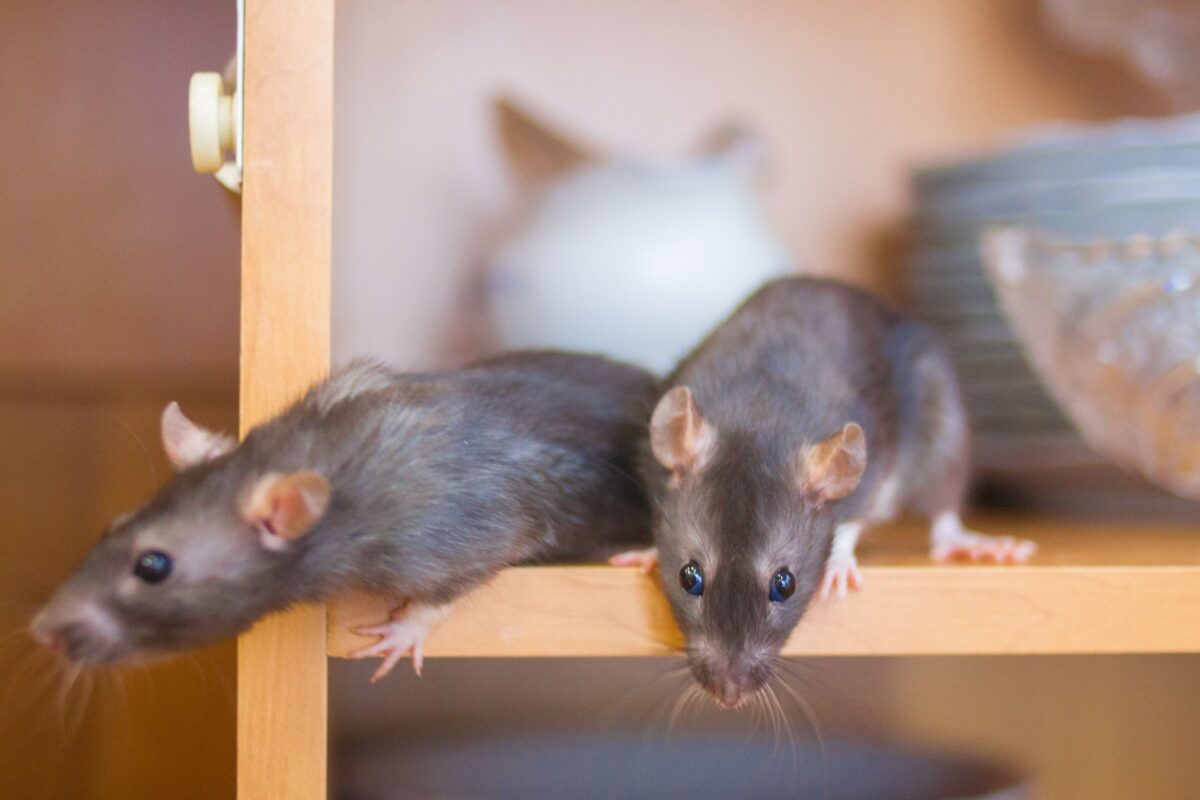
Florida’s warm, humid weather creates ideal conditions for rats to thrive 365 days a year, making professional rodent control a year-round necessity. Understanding how our unique climate attracts and sustains rat populations helps you recognize why these persistent pests are such a constant problem in Central Florida.
Why Rats Love Florida’s Year-Round Warmth
The mild winters in Florida means that the temperature rarely drops below 50 degrees. This means that rats stay active outdoors year-round, maintaining high breeding rates and constant pressure on homes and businesses.
Rats are warm-blooded mammals that become less active in freezing temperatures. Florida’s subtropical climate means they never face this constraint. Rats can remain comfortable outdoors throughout the year, building nests in vegetation, under structures, and in landscaping without the environmental stress that would force them to change behavior in colder regions.
This consistent warmth also means rats breed continuously. Female rats can produce up to six litters per year with 6-12 pups per litter under optimal conditions. In climates with harsh winters, breeding slows during cold months. In Orlando, breeding continues uninterrupted, allowing rat populations to grow exponentially if left unchecked.
High Humidity and Water Sources
Central Florida’s humidity and frequent rainfall create abundant water sources that rats need to survive. Unlike some desert-adapted rodents, rats require daily access to water. Our area provides this in abundance through natural sources like retention ponds, lakes, and wetlands, as well as human-created water features like irrigation systems, pet water bowls, and condensation from air conditioning units.
High humidity also keeps vegetation lush and green year-round, providing rats with natural cover and nesting materials. The dense landscaping common in Orlando neighborhoods—palm trees, shrubs, ground cover, and ornamental plants—creates perfect hiding spots and travel corridors for rats moving between food sources and nesting sites.
Abundant Food Year-Round
Florida’s climate supports year-round plant growth, which means natural food sources for rats never disappear. Fruit trees drop citrus, mangos, and other produce throughout the year. Gardens and landscaping provide seeds, nuts, and vegetation. Rats are opportunistic omnivores that will eat almost anything, and our environment provides constant access to both natural and human-created food sources.
Outdoor pet food, garbage bins, compost piles, and bird feeders all attract rats. Because our mild weather allows for year-round outdoor living and dining, many Orlando homeowners inadvertently create rat buffets on their patios, decks, and in their yards without realizing it.
Storm Activity and Flooding
Central Florida’s summer storm season and periodic tropical systems create conditions that drive rats toward homes. Heavy rainfall floods burrows and outdoor nesting sites, forcing rats to seek higher, drier ground. This often means moving closer to or into structures where they can escape the water.
Storms also damage outdoor rat populations’ food supplies and disturb their established territories, causing them to explore new areas in search of resources. After major weather events, homeowners often notice increased rat activity as displaced rodents search for new places to settle.
Urban Development and Rat Habitat
Orlando’s ongoing development pushes rats into closer contact with residential areas. As natural habitats are cleared for new construction, rats that previously lived in undeveloped areas are forced into neighborhoods. Construction activity itself disturbs existing rat populations, scattering them into surrounding homes and businesses.
The way we build in Florida also accommodates rats. Many homes have crawl spaces, attics with soffit vents, and gaps around utility penetrations that provide entry points. Palm trees—a staple of Florida landscaping—have rough bark and fronds that rats easily climb and nest in. The combination of construction features and landscaping choices creates an environment where rats can thrive in close proximity to humans.
Protecting Your Orlando Home Year-Round
Understanding that rats are a constant threat in Central Florida rather than a seasonal nuisance helps you approach rodent control proactively. Regular inspections, ongoing monitoring, and preventative measures keep rats from establishing themselves on your property in the first place.
Gato Lawn & Pest Control has protected Central Florida homes from rats and other rodents for over 20 years, with deep knowledge of how local climate and conditions create unique pest challenges. Our comprehensive rodent control programs address the specific factors that make Orlando properties vulnerable to year-round rat activity. Contact Gato Lawn & Pest Control today to schedule a rodent inspection and protect your home from these persistent pests.